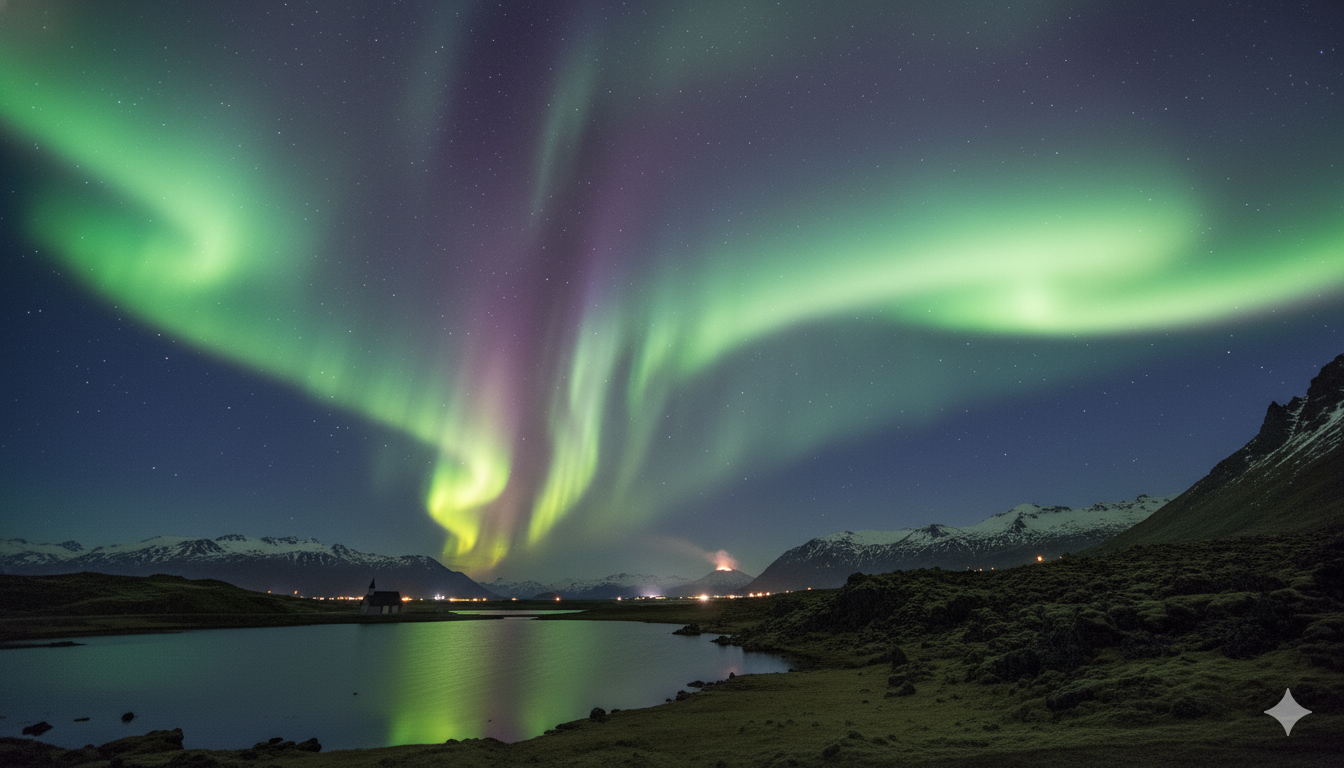
Three nights of waiting in sub-zero temperatures finally rewarded us with a celestial dance across the Arctic sky.
Iceland in February is not for the faint of heart. The days are short, the temperatures are brutal, and the weather is unpredictable. But it's also one of the best places on Earth to witness the Aurora Borealis—the Northern Lights.
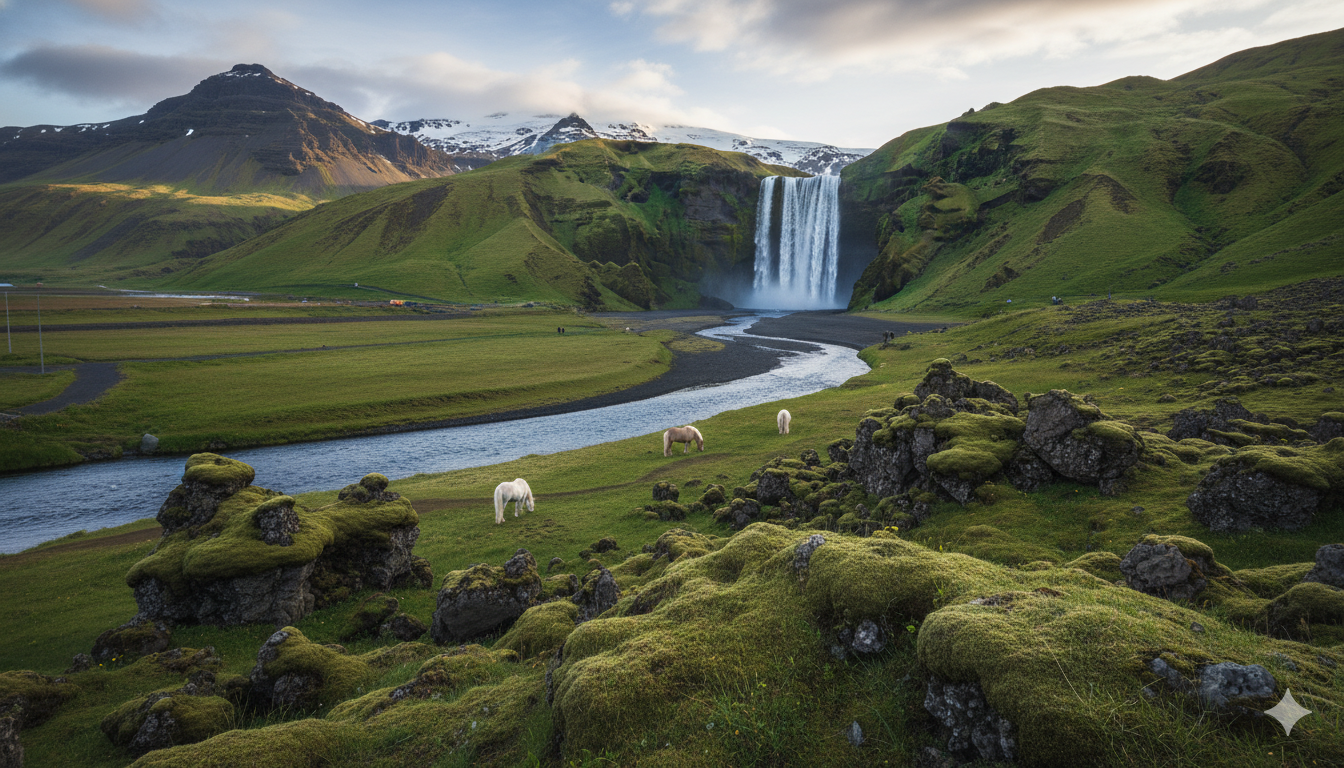
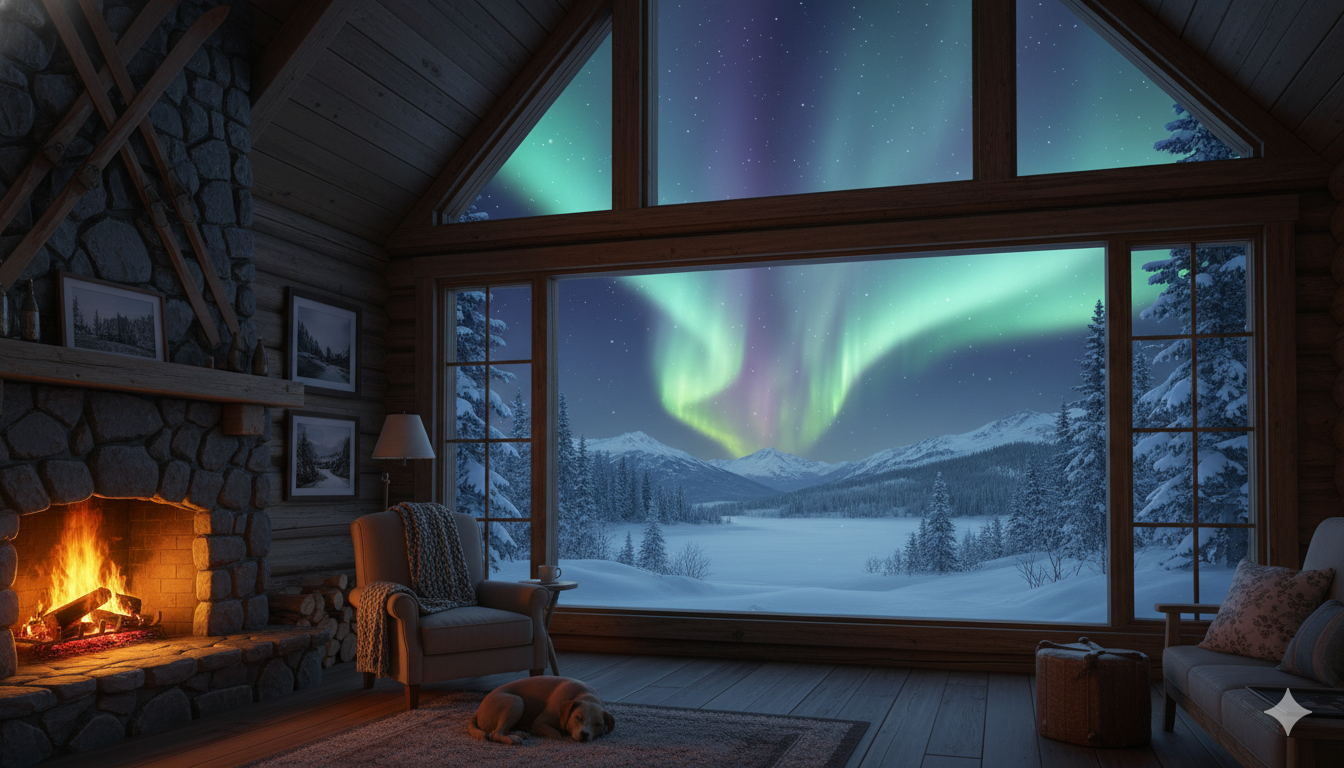
The stark beauty of Iceland's winter landscape provides the perfect backdrop for aurora hunting.
The Wait
We spent our first two nights driving around the countryside, checking weather apps and aurora forecasts, but the clouds refused to part. On the third night, we decided to try a different approach: we'd find a spot away from light pollution and simply wait.
We found a small pull-off near a frozen lake, far from any town. The temperature had dropped to -15°C, but the sky was finally clear. We set up our cameras, wrapped ourselves in every layer we had, and waited.
The Show
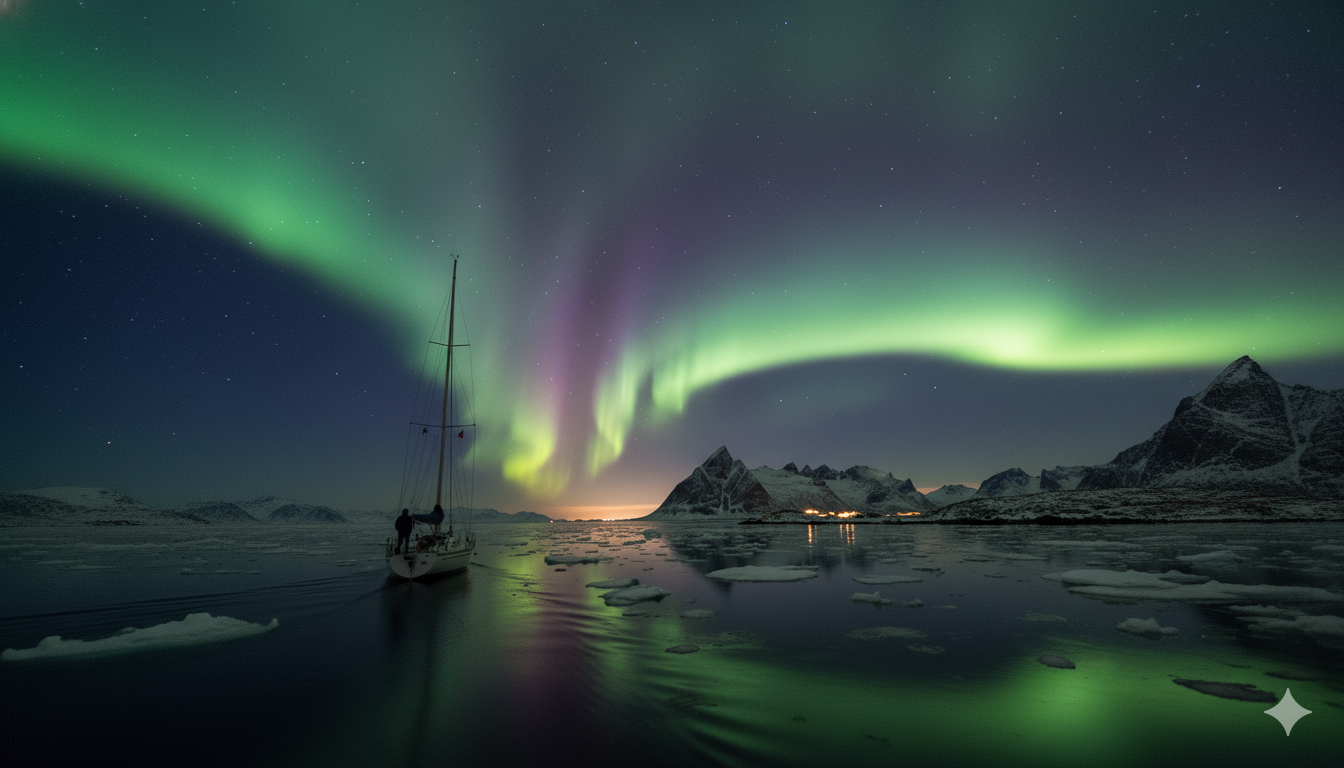
At 11 PM, it began. First, just a faint green glow on the horizon. Then, slowly, it grew brighter, spreading across the sky in waves of green and purple. For the next two hours, we watched in awe as the lights danced overhead, sometimes gentle and flowing, sometimes pulsing and intense.
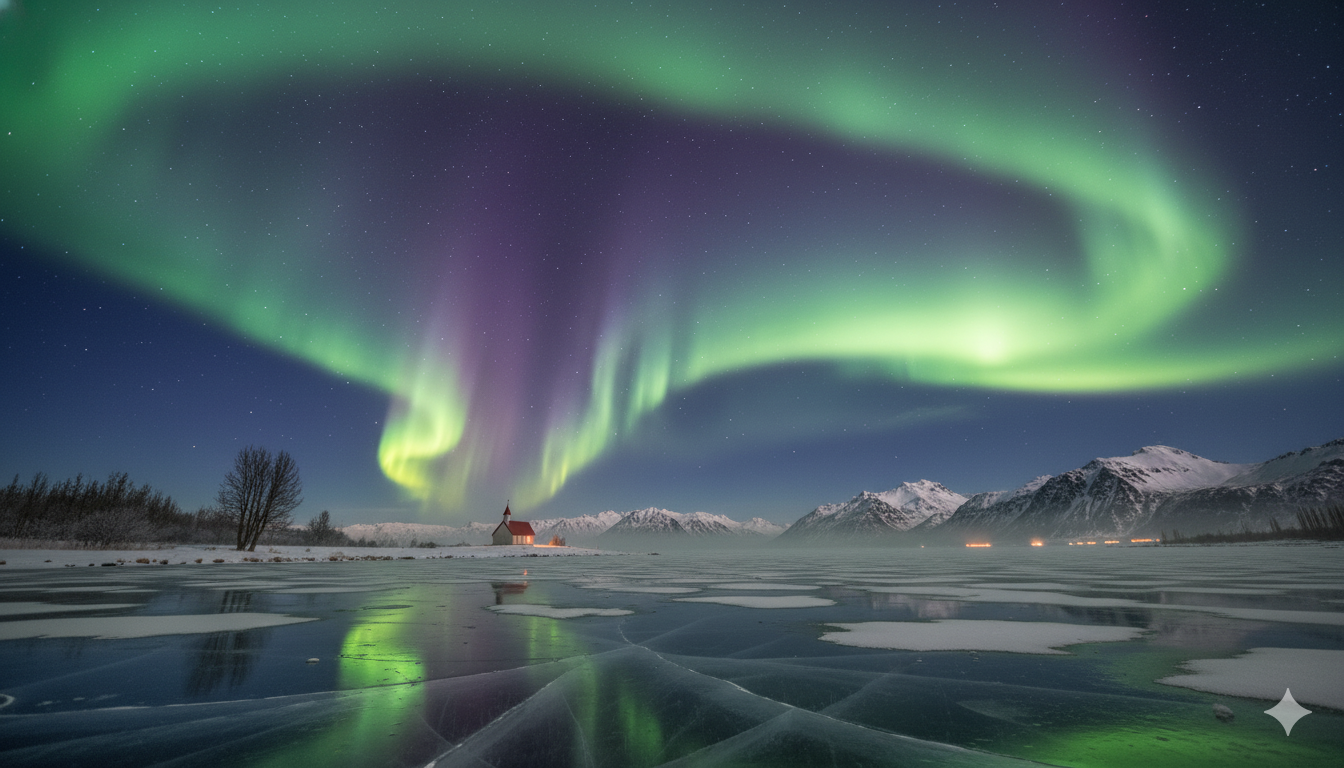
The aurora danced across the sky in waves of green, purple, and pink—a sight that made every moment of waiting worthwhile.
Photographing the Northern Lights is challenging. The cold affects your camera battery, your fingers go numb, and the lights move constantly. But when you capture that perfect moment—when the aurora is at its peak and the stars are visible above—it's pure magic.
— Alex, Nomad Atlas